
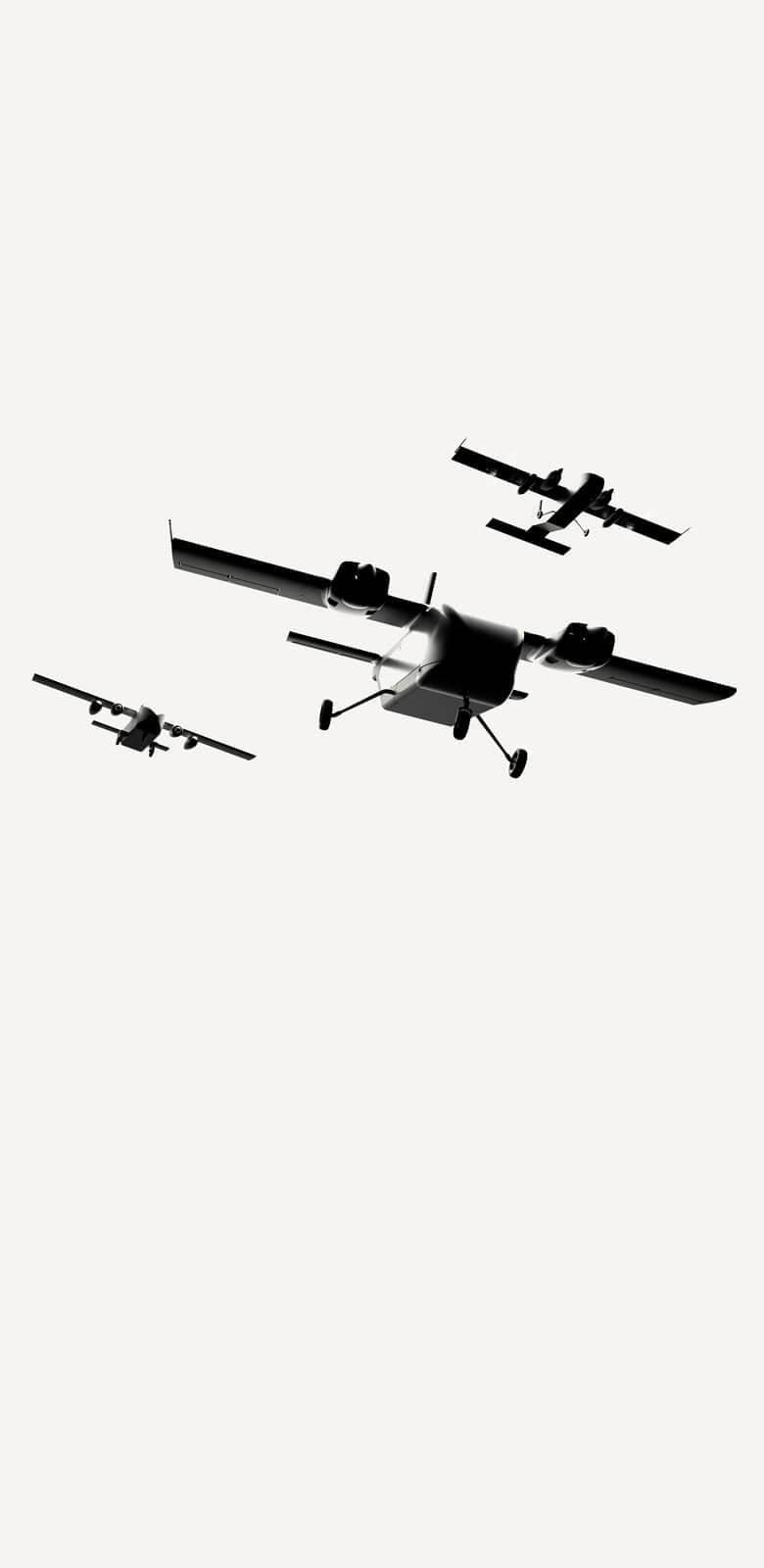
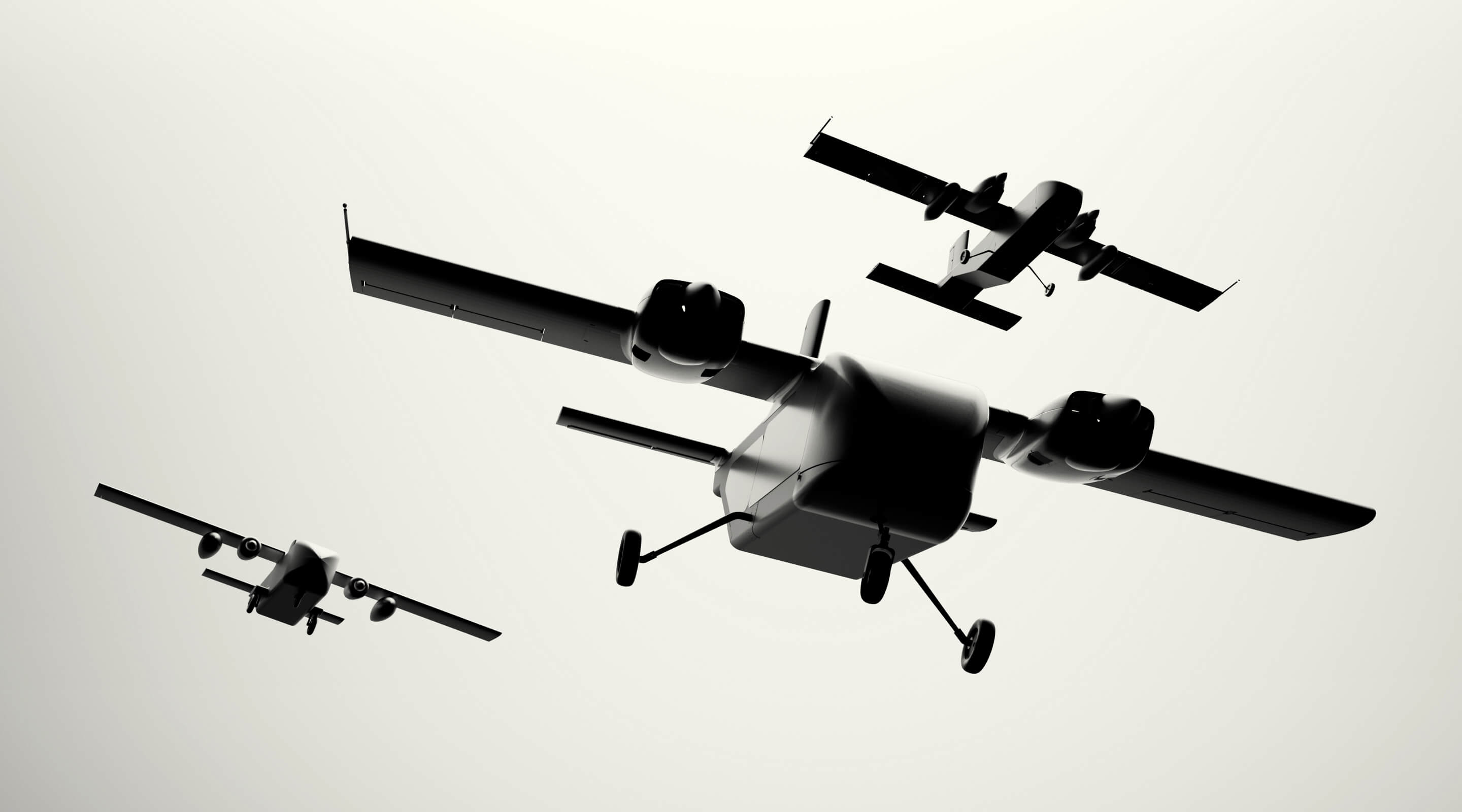
Multiple applications.
More than
an aircraft
Lifter is a design language.
Every Lifter begins with the same principles: simple architecture, modular systems, familiar manufacturing methods and autonomy designed in from the start.
Together, they create a common foundation that can be adapted across aircraft sizes, missions and operational roles.
 Explore Lifter Lite
LIFTER ISA DESIGNLANGUAGE
Modular by design
Built to adapt to
the mission at hand.
Close to the aircraft. Close to the mission.
Lifter’s modular architecture allows payloads, systems and mission equipment to change or scale in size while the underlying aircraft remains familiar.
The result is a platform that can take on new roles and continue evolving as requirements change.
1. Multi-mission
A common aircraft foundation capable of supporting a range of operational roles.
2. Rapidly adaptable
Configurations can be revised around the mission without developing an entirely new aircraft.
3. Built for integration
A straightforward architecture makes it easier to incorporate new payloads, systems and capabilities.

Scalable production
Advanced capability.
Familiar methods.
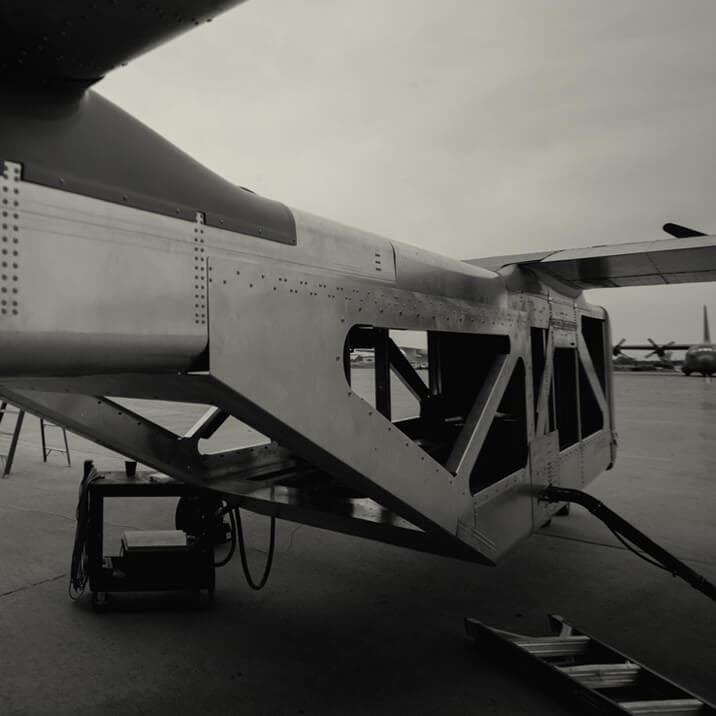
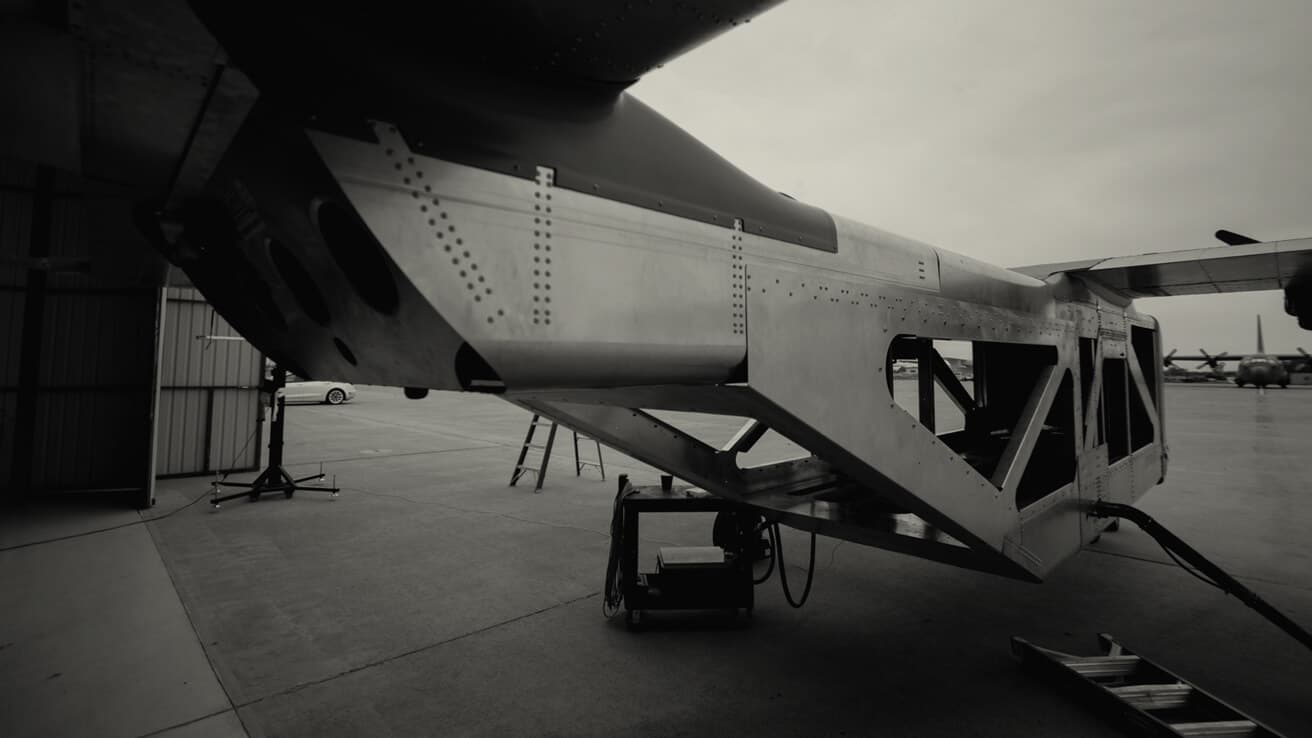
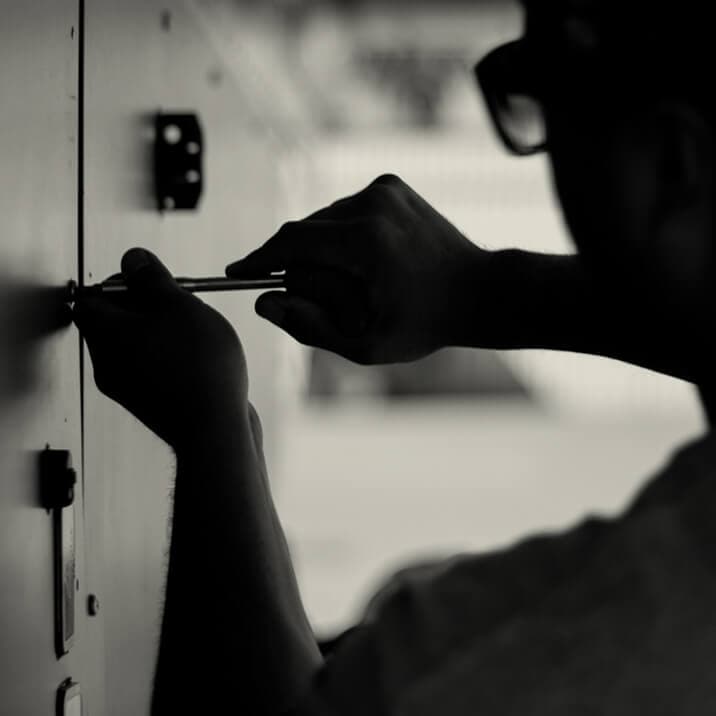
Lifter is built around proven materials, widely available equipment and manufacturing methods the American industrial base already knows how to use - with an estimated 100,000 machines across the United States capable of producing its parts. Bent sheet metal. Straightforward assemblies. No dependence on exotic materials, tooling lead time, skilled labor or fragile production processes.
This simplicity reduces the cost, while supporting rapid production, ease of repair and a faster return to service - making it practical to build and support them at volume.
Fast to field. Easy to fix. Built for volume.
In distributed operations, the ability to produce, repair and return aircraft to service at volume is itself an operational advantage.
Operational simplicity
Operational simplicity
is built into every Lifter.
Close to the aircraft. Close to the mission.
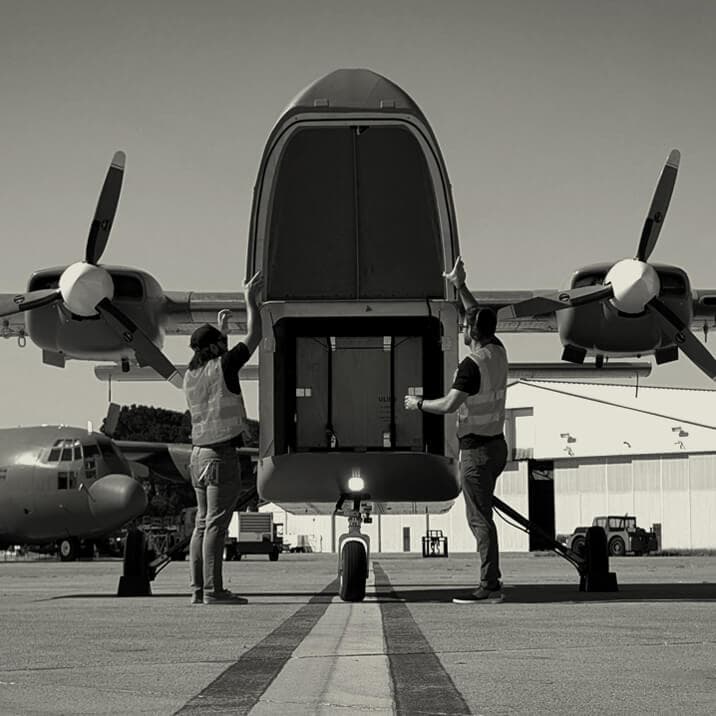
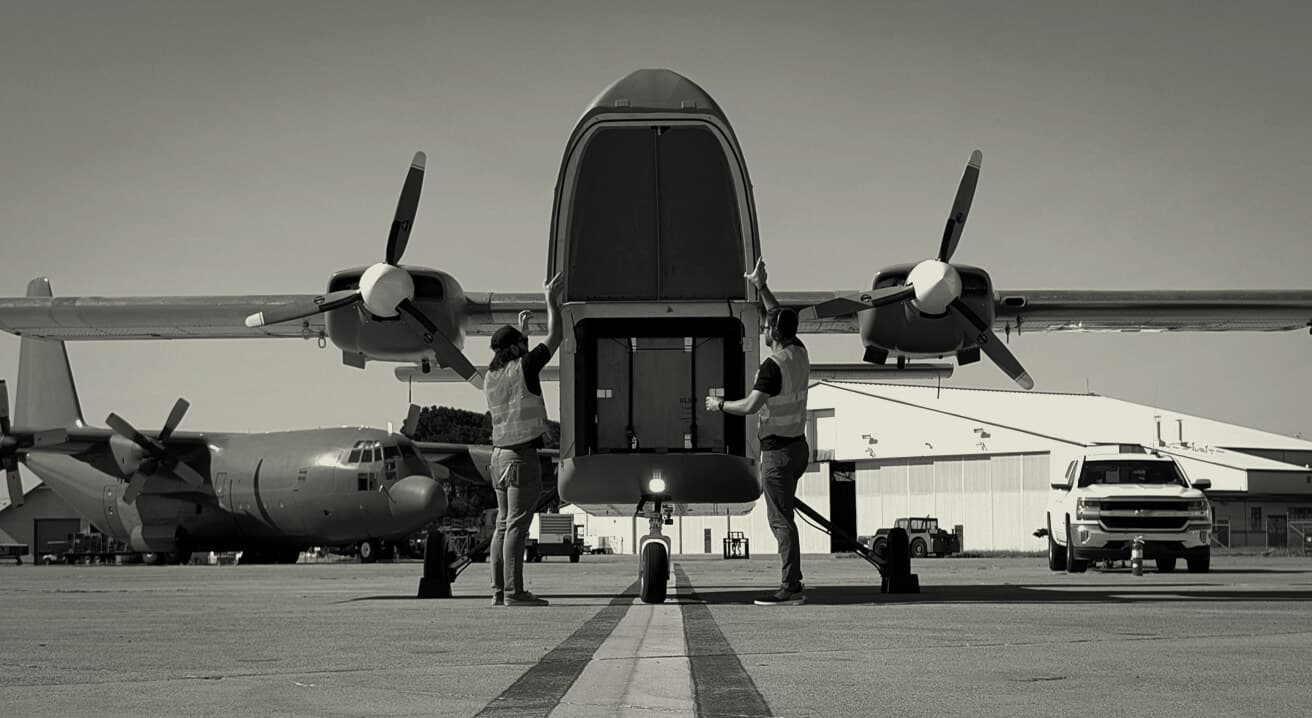
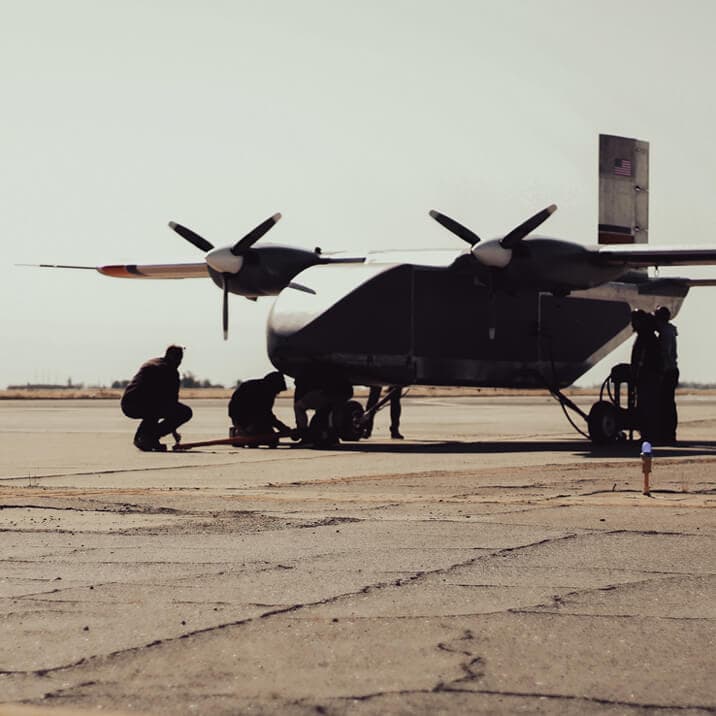
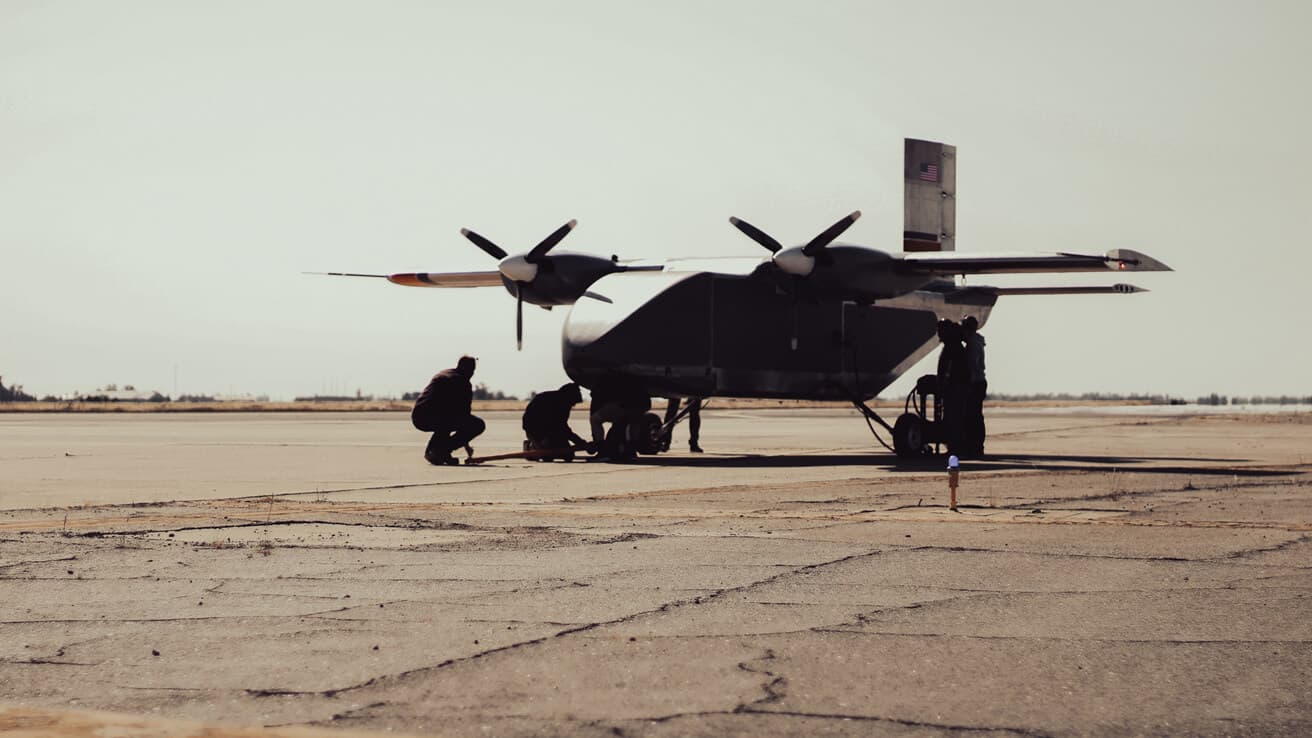
Every Lifter is designed for straightforward assembly, handling and maintenance by small teams using familiar equipment. Accessible systems, metal construction and replaceable components reduce reliance on specialized infrastructure and speed up return to service.
For distributed operations at volume, the realities of the ground matter as much as the mission in the air.
1. Field assembly
Designed to be assembled in the field in 12 hours by a crew of two.
2. Serviceable by design
Metal construction and removable components simplify maintenance and repair.
3. Rapid turnaround
Straightforward handling and accessible systems help keep aircraft moving.
Autonomous by design
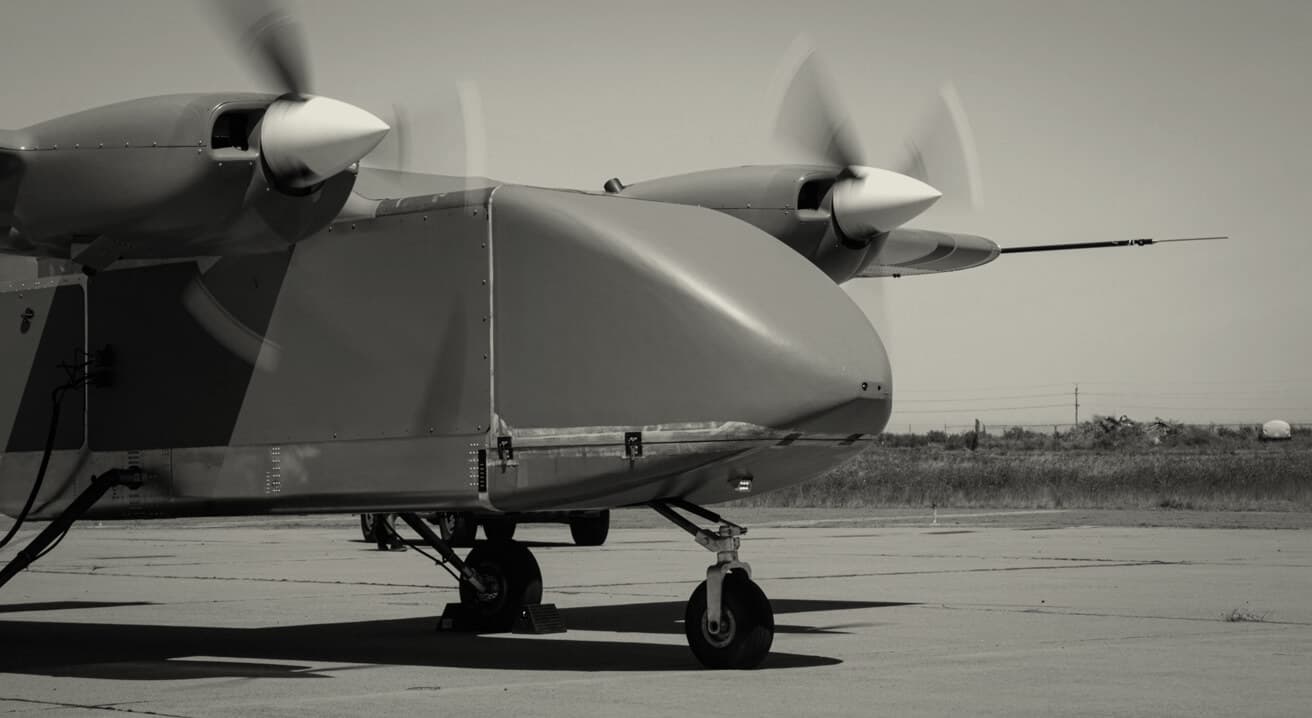
Built for autonomy.
Not adapted for it.
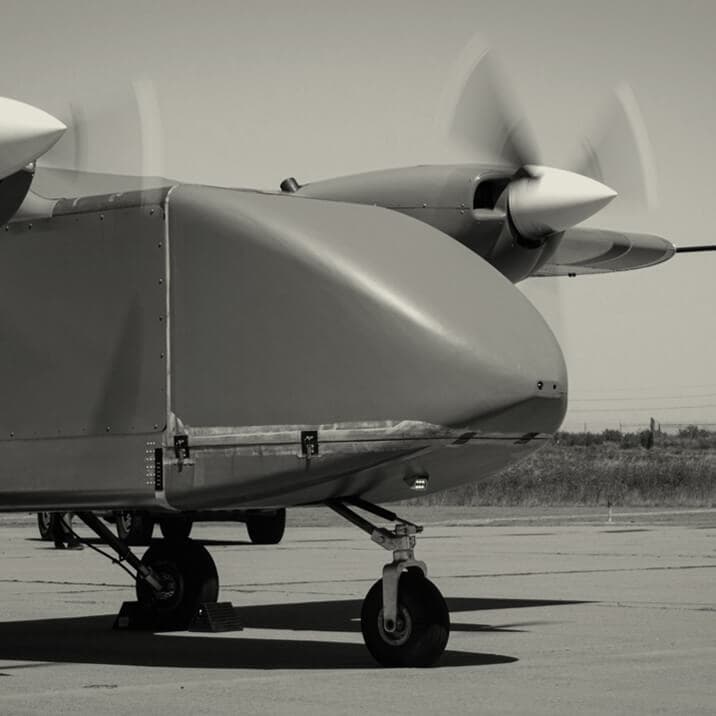
Without the constraints of a conventional cockpit, its architecture can be shaped around the mission. And with no aircrew onboard, Lifter can operate in demanding environments without placing a crew at risk.
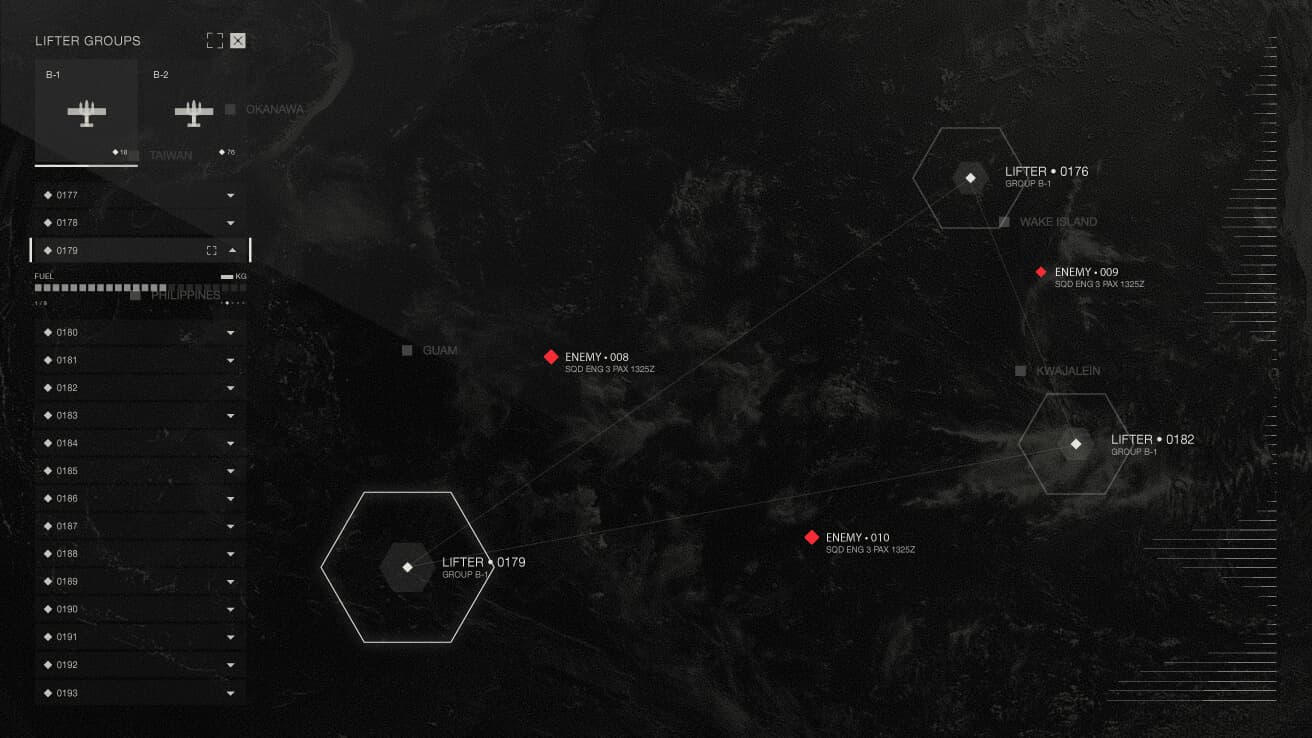
The Grid
Resiliency through
distributed operations.
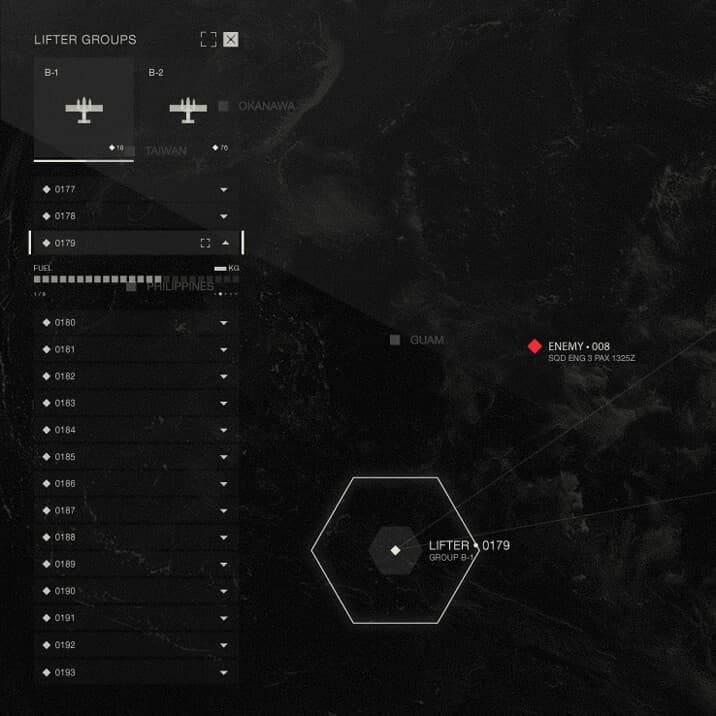
Lifter is designed to operate not only as an individual aircraft, but as part of a distributed system.
Its cost-conscious architecture makes it practical to distribute capability across more aircraft and locations, reducing dependence on a small number of concentrated assets. Adversaries must divide their attention across more potential targets, while the loss or disruption of any single aircraft has less effect on the wider operation.